
What if the most dangerous moment in DeFi is not signing a transaction, but misunderstanding what the transaction will do? A wallet can show a familiar token symbol, a polished protocol interface can display an attractive yield, and the network can confirm the transaction exactly as requested. None of those facts proves that the action is safe. Transaction simulation helps close the gap between the code a user is about to approve and the consequences that code is likely to produce.
That distinction matters for anyone using decentralized exchanges, lending markets, bridges, liquid staking services, or NFT applications in the United States. DeFi transactions are often irreversible, and smart contracts can combine several operations behind one approval screen. Simulation is therefore best understood not as a digital security guarantee, but as a form of pre-trade analysis: an attempt to inspect the expected state changes before a user commits funds or permissions.
Myth: A transaction simulation tells you whether a transaction is safe
The reality is more precise. A simulation usually executes a proposed transaction against a representation of the blockchain state without broadcasting it to the network. The process can reveal expected outcomes such as tokens leaving a wallet, assets arriving, approvals being created, collateral changing, or a contract call failing. In practical terms, it answers a valuable question: “If this transaction were executed under these conditions, what would probably change?”
That is different from asking whether the application, contract, token, or economic strategy is trustworthy. A simulation may correctly show that a user will receive a certain token while failing to answer whether that token is liquid, fairly priced, transferable, or backed by a sound protocol. It may also show an approval that appears routine but grants a contract broad authority to spend a token later. The simulation describes behavior; it does not automatically provide a complete judgment about intent.
This is the first useful mental model: treat simulation as a transaction microscope, not a courtroom verdict. It can make hidden effects visible, especially when a decentralized application compresses multiple contract calls into a single user action. But interpretation remains necessary. A user must still ask whether the destination contract is the one intended, whether the asset is correct, whether the amount makes sense, and whether the requested permission is proportionate to the task.
How simulation improves DeFi security
Wallet security is often discussed as if it were mainly about protecting a private key. That is essential, but it is only one layer. In DeFi, a user can keep a private key secret and still lose funds by signing a malicious approval, interacting with a counterfeit contract, or misunderstanding a callback and settlement process. Transaction simulation addresses this second layer: decision security at the point where a valid signature authorizes an unwanted outcome.
Consider a token swap. A basic interface may show the token pair and an estimated amount. A more informative transaction review can expose the expected asset leaving the wallet, the asset arriving, the network fee, and additional token movements caused by routing through other contracts. If the result differs sharply from the user’s intention, that mismatch is a reason to stop. The key benefit is not that the software makes the decision for the user. It is that the user gets a chance to notice an inconsistency before the signature becomes an on-chain fact.
Approvals deserve special attention. An approval is not the same as a transfer; it is permission for another contract or account to move tokens according to the allowance. Some protocols request only the amount needed for one operation, while others may request a much larger allowance for convenience. A simulation can help users see that permission being created. The security judgment, however, depends on context: a broad allowance to an unfamiliar or obsolete contract creates a different risk profile from a limited allowance to a contract the user deliberately chose.
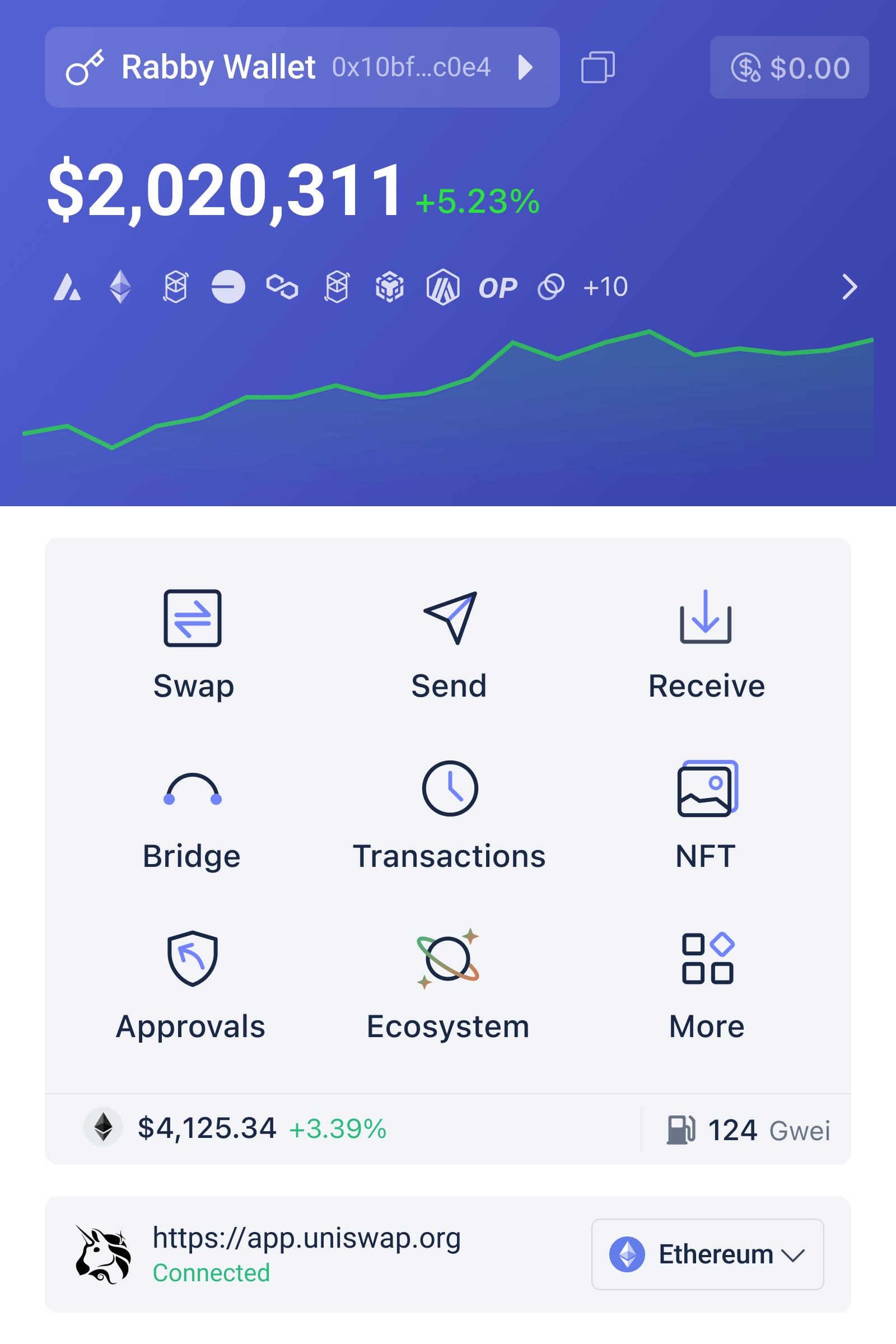
For readers installing a browser wallet, the practical goal is not simply to find a button that says “connect.” Users considering the rabby wallet extension should obtain it from a source they have independently verified, review the permissions requested by the browser, and learn where transaction previews and network details appear before moving significant funds. Installation hygiene matters because a malicious extension can undermine every later security step, including a careful simulation.
What a simulation can miss
Simulation is conditional. It depends on the transaction data, the selected network, the current state of contracts, available node information, and the assumptions made by the simulation environment. If the user changes the transaction after the preview, the old result is no longer a reliable description. If the state changes before the transaction is mined, the final result can differ as well. This is especially relevant in fast-moving markets, where prices, liquidity, collateral ratios, and block conditions may shift between signing and confirmation.
Some risks are also economic rather than purely technical. A simulation may show that a trade succeeds while offering little protection against slippage, manipulated liquidity, a temporarily distorted oracle, or an asset that cannot be sold in practice. A contract can behave exactly as simulated and still produce a poor outcome because the user accepted an unfavorable price or entered an unstable strategy. Successful execution is not equivalent to successful investing.
There is another boundary condition: a warning is not always proof of fraud, and the absence of a warning is not proof of legitimacy. Complex protocols may generate unfamiliar calls because they use routers, permit signatures, multicall contracts, or specialized settlement mechanisms. Conversely, an attacker may design a transaction that looks ordinary while hiding its danger in an approval, a permit, or a later use of granted authority. Warnings should trigger investigation, not automatic panic or automatic dismissal.
Simulation can also be weakened by blind signing. Blind signing occurs when a wallet presents opaque data that the user cannot meaningfully inspect, often because the application or device does not decode the request. In that situation, the user is being asked to trust a blob of instructions rather than review a comprehensible outcome. Avoiding blind signing where possible is a sensible rule, particularly for unfamiliar applications and high-value transactions.
A practical review method for DeFi users
A useful review is layered rather than frantic. First, confirm the network. Ethereum, an Ethereum-compatible layer, and another supported chain can use similar interfaces while representing separate balances and contracts. Second, identify the application and destination contract. A familiar website name does not guarantee that the transaction is going to the intended address.
Next, read the expected asset movements. Ask what leaves the wallet, what arrives, and whether any unexpected token, fee, or permission appears. Then inspect approvals and permits separately from the visible trade. Finally, compare the transaction with the user’s actual purpose. If the goal is to swap one asset for another, an unrelated transfer, an unlimited approval, or a request to sign an opaque message deserves a pause.
For larger positions, a second control is often more valuable than trying to become an expert in every contract. Use a small test transaction, separate long-term holdings from an active wallet, and avoid connecting a high-value account to every new application. Hardware wallets, withdrawal limits, allowance management, and independent verification of domains can reduce the consequences of a bad decision. None is perfect alone; together they create defense in depth.
One non-obvious lesson is that simulation changes the quality of attention. Without a preview, users tend to evaluate a transaction through the interface’s story: “deposit,” “claim,” “mint,” or “swap.” With a preview, they can evaluate the transaction through state changes: “this token leaves,” “that contract receives approval,” and “a new asset returns.” The second vocabulary is less persuasive, but far more useful for security.
What to watch as wallet security evolves
The likely direction of wallet security is toward richer explanations of intent rather than longer raw data strings. If tools can reliably translate contract calls into understandable effects, users may catch more mistakes without reading Solidity. That outcome is conditional, however. It depends on accurate decoding, current contract information, reliable network data, and interfaces that explain uncertainty instead of presenting guesses as facts.
A strong future design would distinguish clearly among confirmed transaction fields, inferred effects, and unresolved risk. It might show not only that an approval is being granted, but also why it is needed, how broad it is, and whether it remains active after the transaction. It could also make chain switching, token identity, and contract changes harder to overlook. These improvements would not eliminate scams or flawed strategies, but they could reduce the number of losses caused by simple misunderstanding.
Frequently asked questions
Does transaction simulation prevent a malicious transaction?
No. It can reveal expected effects and detect some failures or inconsistencies before broadcasting, but it cannot establish that a contract is honest or that an asset has real value. Treat the result as evidence for a decision, not as a guarantee.
Why should I care about token approvals?
Approvals give another contract permission to move a token from your wallet. A transaction may appear to be a simple swap or deposit while also creating a broad allowance. Review the spender and allowance, and avoid granting more authority than the intended task requires when the wallet or application allows that choice.
What should I do when a simulation shows an unexpected result?
Do not sign immediately. Recheck the website domain, selected network, destination contract, token addresses, approval details, and transaction purpose. If the mismatch remains unexplained, reject the transaction and investigate through an independent channel rather than relying on a link or message supplied by the application.
Transaction simulation is most valuable when it turns an invisible authorization into an inspectable decision. The right question is not “Did the wallet say this is safe?” It is “Do I understand the state changes, the permissions, and the remaining uncertainty well enough to sign?” That shift—from trusting a label to reviewing an outcome—is a durable foundation for safer DeFi use.

0 Comments